


Sebaceous Filaments vs Blackheads: What’s the Difference and How to Treat Them
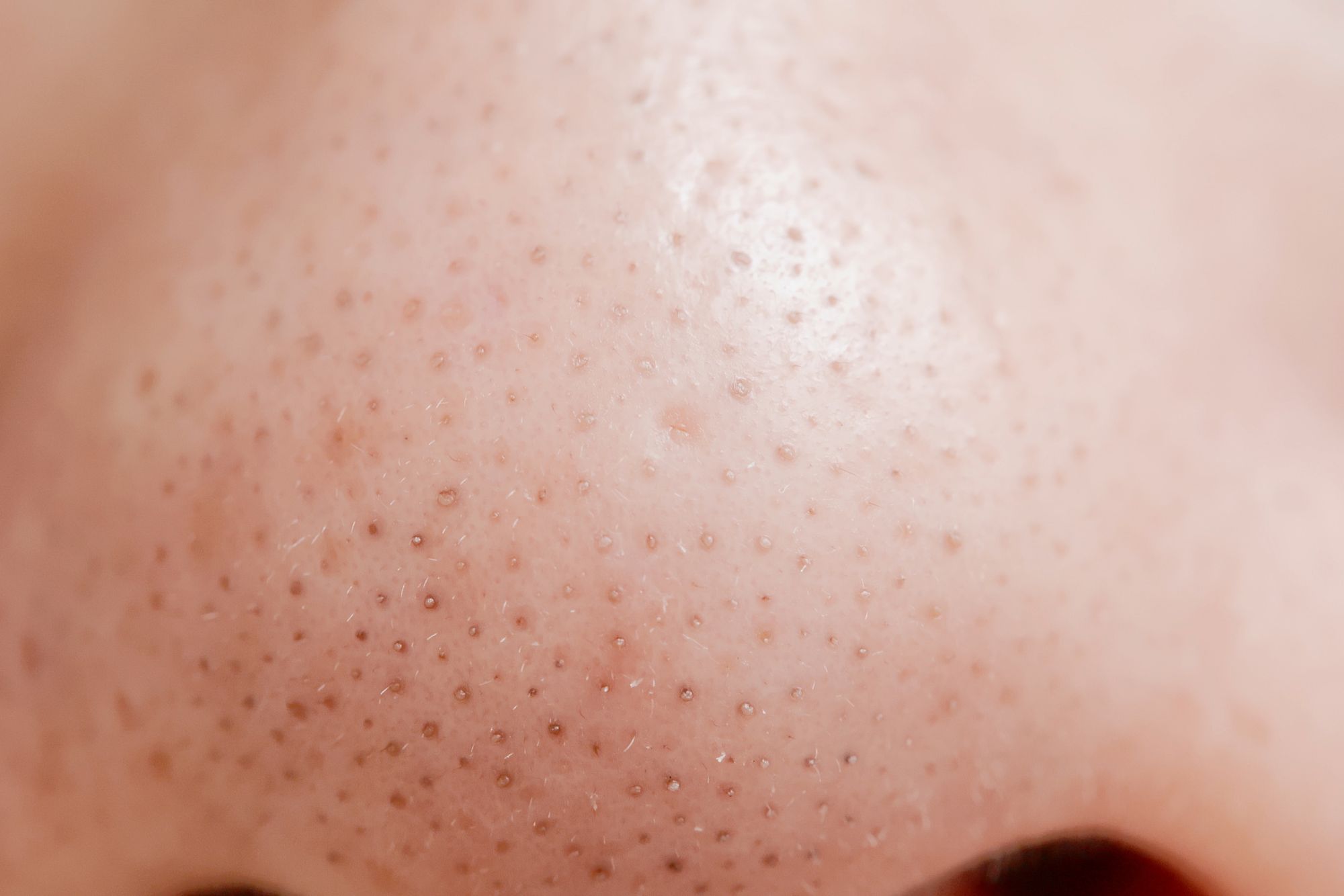
Have you ever looked closely at your nose or chin and seen tiny dark dots and assumed they were blackheads? You’re not alone. In fact, many people confuse sebaceous filaments with blackheads—and that confusion can lead to over-exfoliating, unnecessary picking, or the wrong skincare products.
At Vita Felice Medi Spa, we believe informed skincare is the best skincare. So let’s break it down.Understanding the difference between sebaceous filaments and blackheads helps you treat your skin effectively—and with less frustration.
What Are Sebaceous Filaments and Why Do You Have Them??
Sebaceous filaments are microscopic structures inside your pores that help move sebum (your skin’s natural oil) from the sebaceous glands to the skin surface. Think of them as tiny oil-delivery systems designed to keep your skin balanced and protected, and they are completely normal structures within your pores.
They typically:
-
Appear as small, pin-dot structures
-
Look grey, yellowish, or even black if oxidized
-
Are mostly visible on the nose, chin, and forehead
-
Sit flat on the skin—though they can become slightly raised if not properly managed
Yes, they can look black too! When the oil and debris in sebaceous filaments oxidize (just like blackheads), they may appear dark, especially in oilier skin types. They’re not a sign of dirty skin, clogged pores, or acne. Sebaceous filaments are natural and essential parts of the skin’s oil production process. Everyone has sebaceous filaments—yes, even people with great skin, and don’t require aggressive extraction.
What Are Blackheads and What Causes Them?
Blackheads, on the other hand, are a type of non-inflammatory acne lesion, also known as open comedones, are pores clogged with oil and dead skin cells that remain open at the surface. The exposure to air causes the clog to oxidize, giving it a dark appearance.
They are:
-
Deeper and more noticeable than sebaceous filaments
-
Dark brown or black
-
Often slightly raised and rough to the touch
-
Associated with acne-prone or oily skin
-
More randomly spread (not in uniform dots like sebaceous filaments)
Blackheads are more likely to occur during hormonal changes, and especially in oily or acne-prone skin. and require treatment to remove and prevent recurrence.
Key Differences at A Glance
| Feature | Sebaceous Filaments | Blackheads |
|---|---|---|
| Color | Grey, yellow, or black (oxidized) | Deep brown or black |
| Size | Small, uniform | Larger and irregular |
| Feel | Usually flat, can feel raised | Usually raised |
| Extraction | Returns quickly (within days) | Slower to return if removed |
| Cause | Normal oil flow | Clogged pores |
| Location | Mostly nose and T-zone | Can be anywhere on the face/body |
Can You Get Rid of Sebaceous Filaments?
Here’s the truth: You can’t (and shouldn’t try to) eliminate sebaceous filaments permanently. These are part of your skin’s function.
But what you can do is manage their appearance:
- Use gentle exfoliants like BHA (salicylic acid) to reduce buildup
- Keep skin properly hydrated and balanced with non-comedogenic moisturizers
- Incorporate clay or charcoal masks once or twice a week to absorb excess oil
- Avoid over-cleansing or harsh scrubbing, which can make oil production worse
Extraction may make them temporarily disappear, but they’ll return in a few days. Regular treatments like hydradermabrasion or chemical peels are safer and more effective long term.
How to Treat and Prevent Blackheads
Unlike sebaceous filaments, blackheads require more consistent and targeted care. Effective ingredients and methods include:
- Salicylic acid (BHA): Penetrates pores to dissolve oil and debris
- Alpha hydroxy acids (AHAs): Such as glycolic, mandelic acid, or lactic acid, to exfoliate dead skin from the surface
- Regular professional extractions (never pick at home!)
- Retinoids to speed up cell turnover and prevent buildup
- Consistent skincare routine (cleanse, treat, moisturize, protect)
In-clinic treatments—such as professional extractions, targeted chemical peels, or hydradermabrasion—can significantly improve blackheads. At Vita Felice, we combine these advanced modalities into a seamless, customized experience. Explore our Facial Menu Tailored to You to see how we target stubborn congestion
Why Education (and the Right Aesthetician) Matters
Confusing sebaceous filaments for blackheads can lead to over-exfoliating, scrubbing, or even damaging your skin barrier. A lot of people end up frustrated or even damage their skin because of common myths around clogged pores. At Vita Felice Medi Spa, our clients are often relieved to learn that what they thought were blackheads were just sebaceous filaments—and that there’s nothing wrong with having them.
That’s why we believe in guiding you with honest advice, pharmaceutical-grade skincare, and a clear, customized approach. No guesswork, just real results.
Final Thoughts
Sebaceous filaments and blackheads might look similar, but their causes, behaviors, and treatments are completely different. Learning to distinguish the two helps you treat your skin smarter—not harder. The next time you notice those tiny dots on your nose, pause before squeezing or scrubbing. They may just be your sebaceous filaments doing their job. And if they’re blackheads, there are safe, effective ways to treat them—without compromising your skin health.
Still unsure whether you’re dealing with blackheads or natural skin oils? Book a professional skin treatment at Vita Felice. Our experienced skin therapists will take the guesswork out of your routine and guide you toward long-term skin health.
Quick Summary: Sebaceous Filaments vs. Blackheads
The Core Difference: Sebaceous filaments are permanent, healthy structures that channel your skin’s natural oils. Blackheads are actual plugs of oxidized oil and dead skin cells that clog the pore.
The Appearance: Sebaceous filaments look like a uniform grid of tiny grey or yellowish dots that sit flat on the skin. Blackheads are irregular, dark brown or black, and feel rough or raised.
The Treatment Rule: Never squeeze or aggressively scrub sebaceous filaments—they will return in a few days and you risk damaging your skin barrier. Instead, manage them gently with BHAs (Salicylic Acid) and professional, non-stripping facials.